
News

What Is a Pitch Competition and Should You Enter One?
September 2026
You have an idea. Maybe it's been sitting in a notes app for months. Maybe you've talked it through with a friend and they said 'you should actually do something with that.' A pitch competition might be the best first move you haven't considered yet.
Not because you need to have a finished product. Not because you need to be a business major. But because standing in front of a room and explaining your idea — clearly, confidently, in under five minutes — is one of the most valuable experiences college entrepreneurship programs can give you. And it comes with a deadline, which is the only thing that actually makes most ideas move.
Here is what a pitch competition is, what you actually get from entering one, and how to find the right one for where you are right now.
What is a Pitch Competition
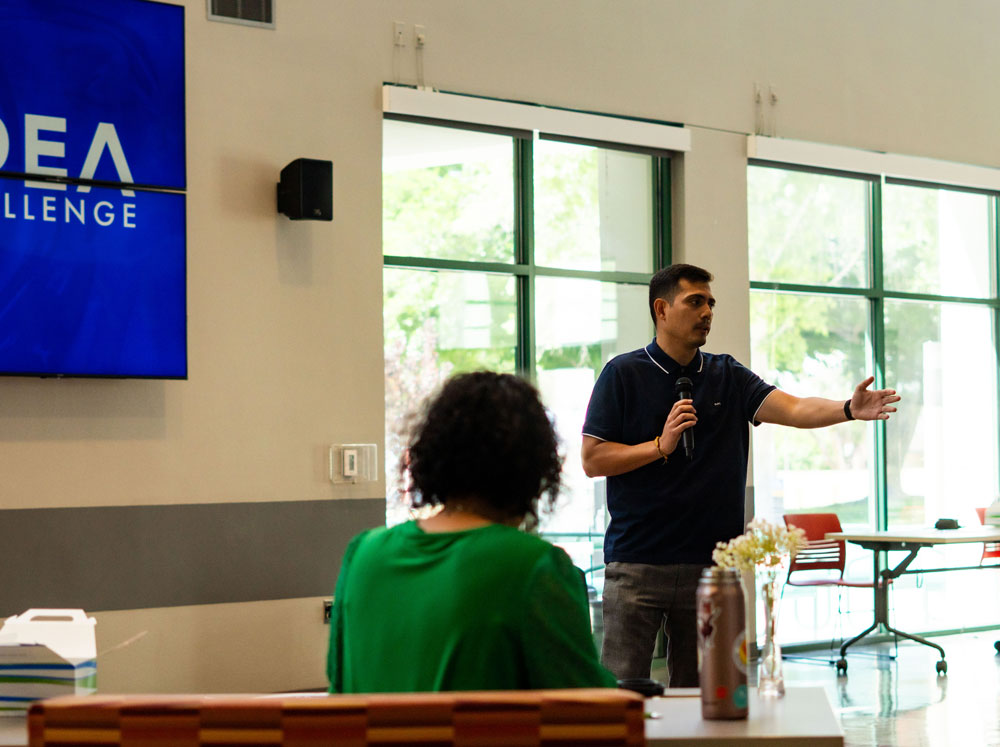
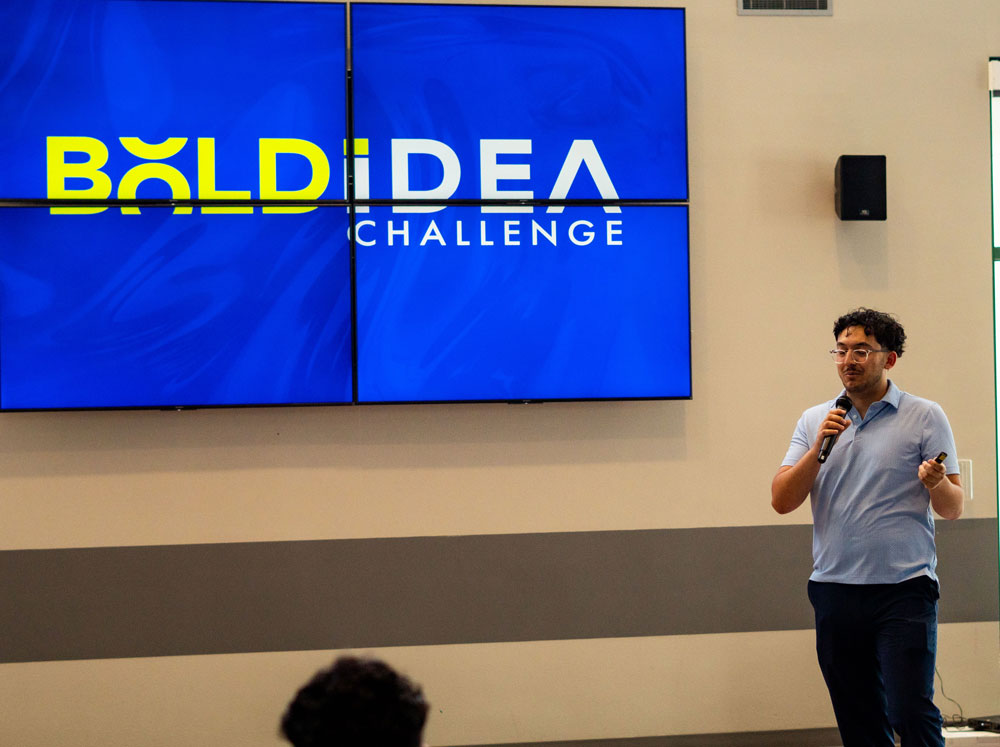
A pitch competition is an event where participants present a business idea or early-stage startup to a panel of judges, typically made up of entrepreneurs, investors, or industry professionals. The goal is to make a compelling case for your idea in a short amount of time — usually two to five minutes — and answer questions from the judges. Most pitch competitions have a structured format. You submit an application or a short video, advance through rounds if selected, and present at a final event. Prizes vary by competition — some offer funding, others offer mentorship, connections, or both. What they all have in common is this: they force you to take an idea seriously. You cannot wing a pitch. You have to understand the problem you're solving, who it affects, and why your approach works. That process alone is worth more than most people expect.
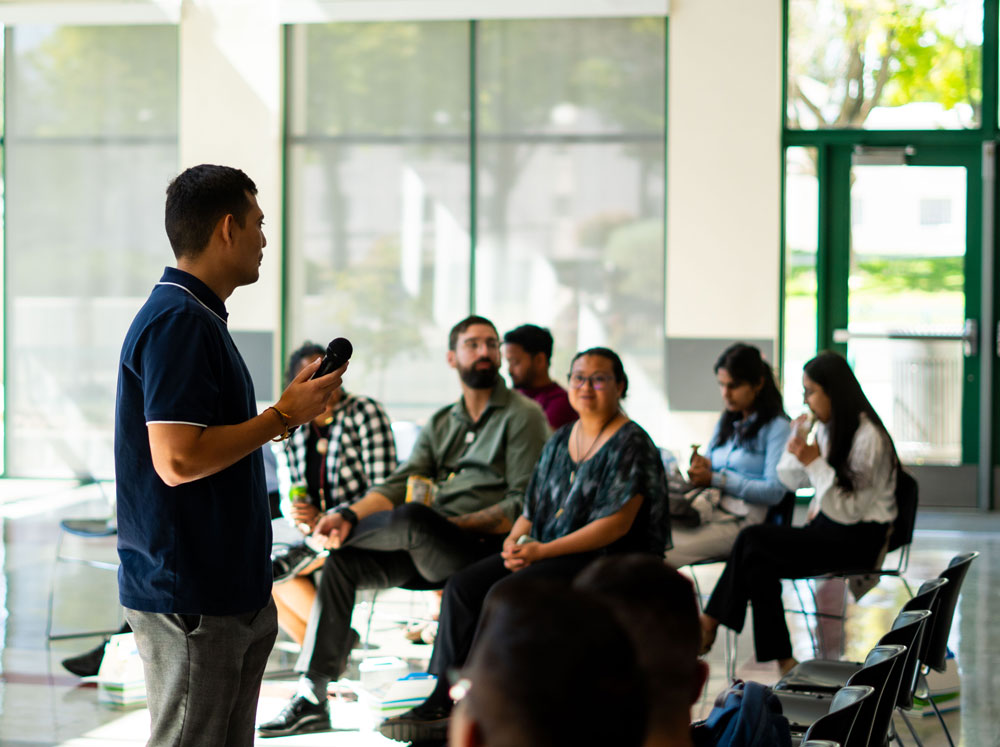

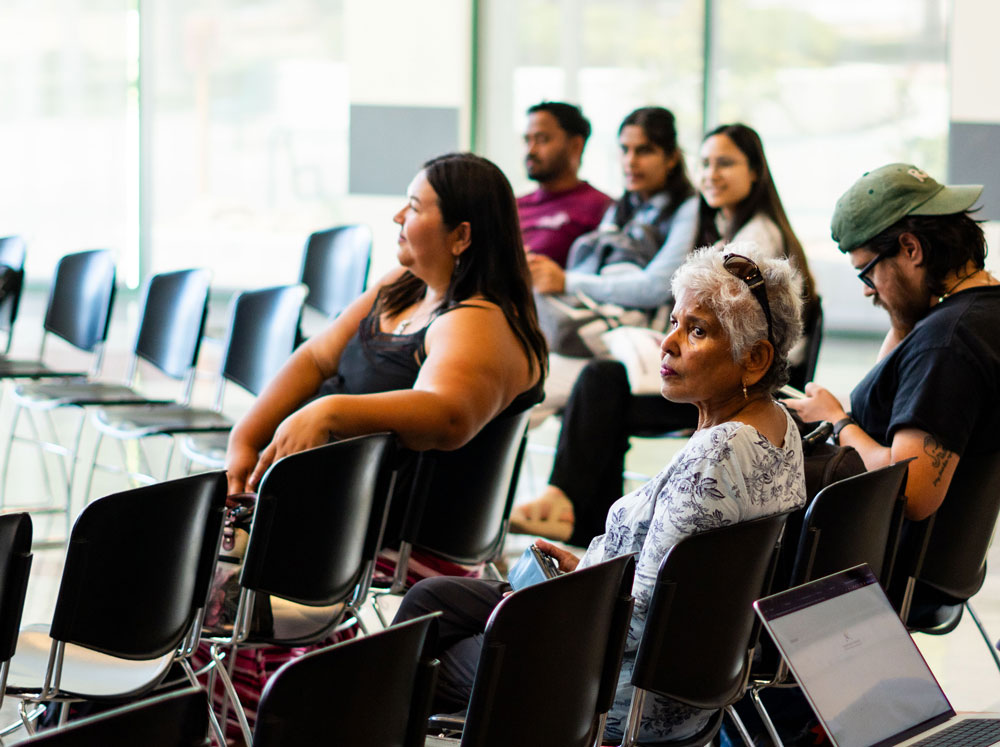
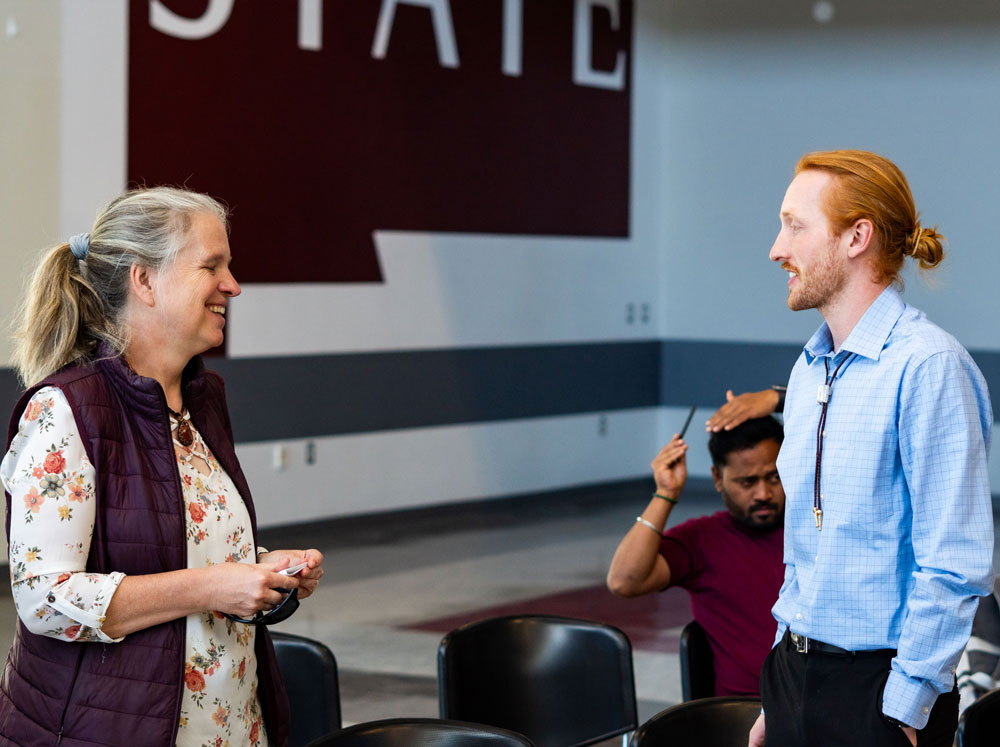
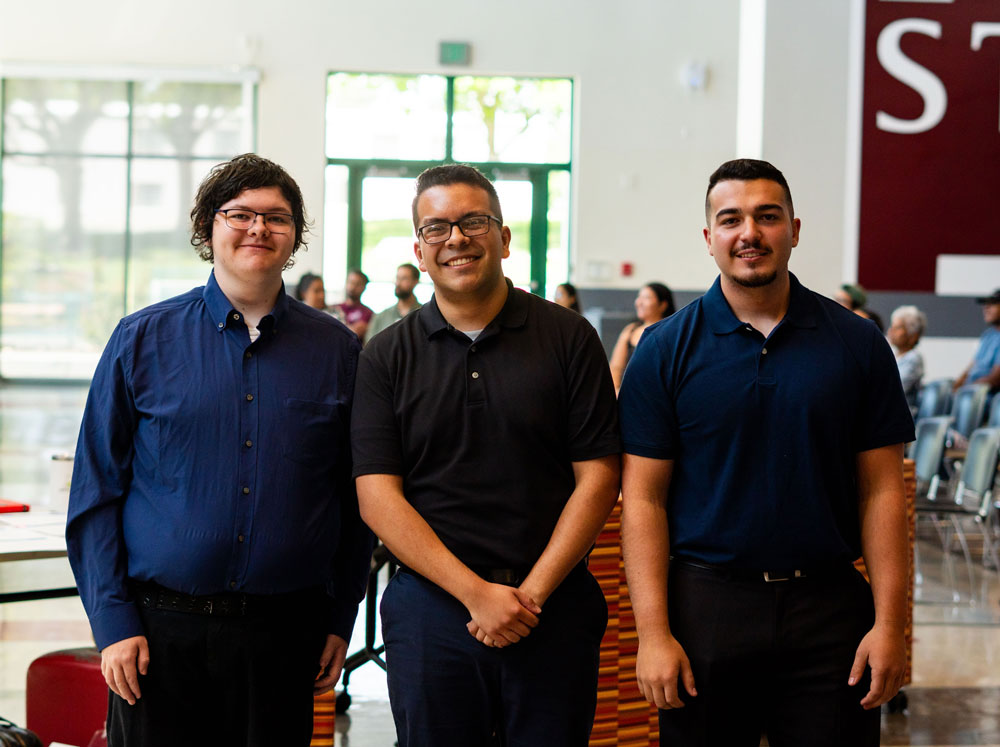

The prize is not the main reason to enter. Here is what most participants say they got out of it:
• Clarity on your idea. Preparing a pitch forces you to answer the questions you've been avoiding. What exactly is the problem? Who has it? Why does your solution work? You will know your idea better after building a pitch than you did before.
• Real presentation experience. Pitching to a panel of judges is different from presenting in class. The stakes feel real, the feedback is direct, and the experience is something you can talk about in job interviews, graduate applications, and future fundraising conversations. • A network. Judges, mentors, and fellow competitors are all people worth knowing. Pitch competitions consistently produce connections that outlast the event itself.
• Confidence. The first time you pitch something you built is uncomfortable. The second time is easier. The third time, you start to enjoy it. There is no shortcut to that progression — you just have to start.
• A chance at real resources. Prizes, mentorship, funding, and program access. Not guaranteed, but available to anyone willing to show up.
Should You Enter One?
If you have an idea — even a rough one — the answer is almost always yes. Here is a simple way to think about it:
• You do not need a finished product to pitch. Most competitions are designed for early-stage ideas.
• You do not need a business background. The best pitches come from people who have identified a real problem, not people who have memorized business frameworks.
• You do not need a team, though having one helps. Many competitions allow solo participants or help you find teammates.
• You do need to be willing to put in the work. A strong pitch takes preparation. If you are not willing to do that, the competition itself will not help you. The honest question to ask yourself is not 'am I ready' — it's 'will I regret not trying.' For most people with a real idea, the answer is clear.
The Bold Idea Challenge at Arrowhead Center
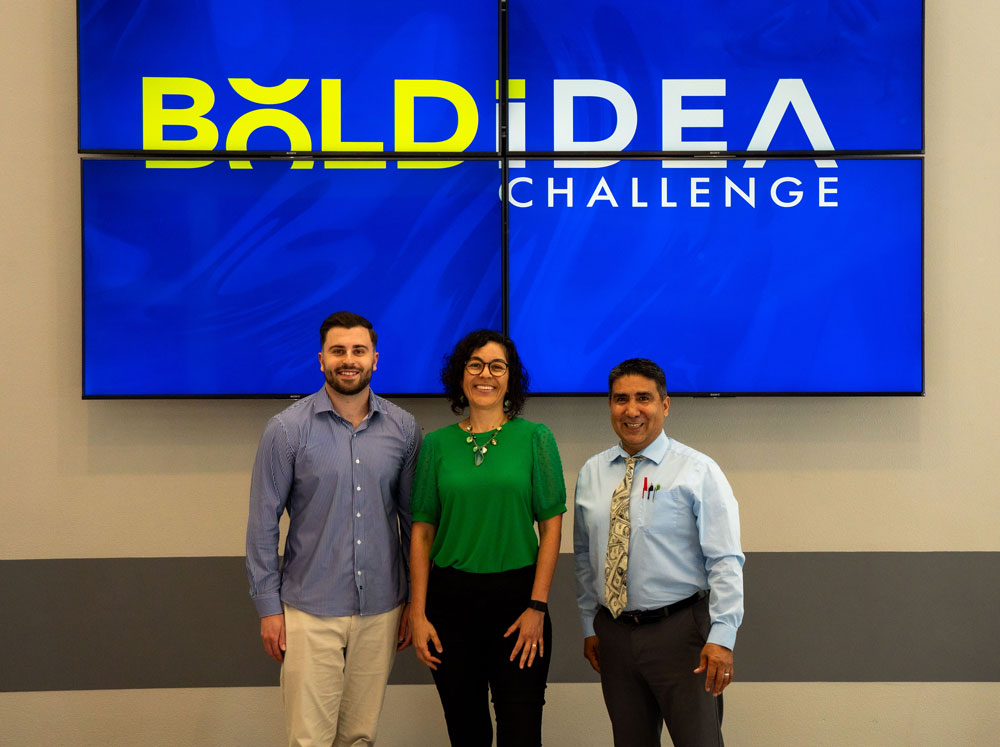
If you're an NMSU student or a community member in the Borderplex region, the Bold Idea Challenge is the competition worth knowing about. It's Arrowhead Center's student pitch competition, open to teams of two to five people, with at least one college or university student from the Borderplex region. What makes the Bold Idea Challenge different is the framework. Every pitch is aligned to one or more of the UN Sustainable Development Goals — from clean energy and climate action to reduced inequality and quality education — with an emphasis on Technology and Fintech solutions. You're not just pitching a business idea. You're pitching a solution to a real-world problem.
How It Works
The competition runs in four stages:• Pitch Demo Day: Before the competition begins, Arrowhead hosts a prep session where an experienced entrepreneur walks participants through how to build a compelling pitch. If you've never pitched before, this is where you start.
• Virtual Round: Teams submit a two-minute pitch video and a two-page supporting document. Ten teams are selected to advance.
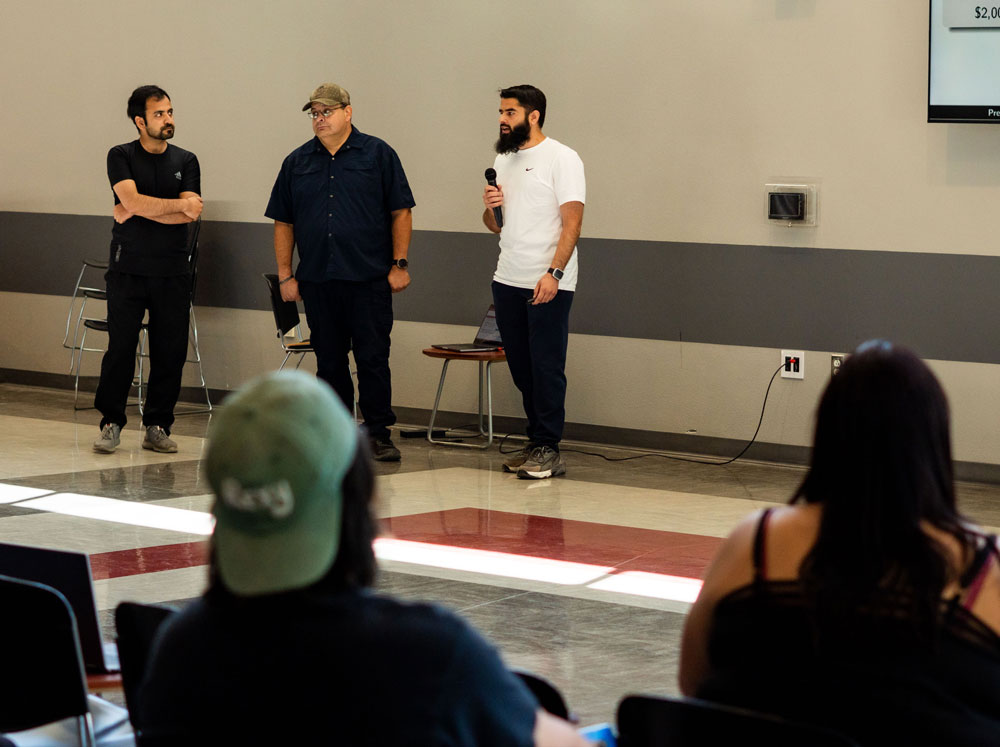
• Semi-Finalist Round: The ten selected teams deliver a four-minute presentation followed by a five-minute Q&A with the judges. Finalists advance to the Pitch Competition.
• Pitch Competition: Finalists present for five minutes with visual aids, followed by a six-minute Q&A. Winners are announced at the awards ceremony immediately after.
Registration is free. The Borderplex region includes Las Cruces, El Paso, and Ciudad Juárez — so if you're studying or living in the area, you're eligible.
That's what Shahab Nourbakhsh and Moein Afrouzmehr did. The two NMSU graduate students entered the Bold Idea Challenge with WaterSpeccy — a portable, lab-on-chip device that tests water quality on-site and sends results directly to a mobile app. Their idea came from a real problem: residents in Santa Teresa, New Mexico were dealing with discolored water, sulfur smells, and elevated levels of arsenic and uranium, while existing testing options cost anywhere from $1,000 to $16,000. WaterSpeccy was built to change that — affordable, reusable, and designed for rural communities that traditional solutions have left behind. Entering the Bold Idea Challenge gave them a platform, a deadline, and a room full of people willing to take their idea seriously.
Z Lab took it even further. Developed and directed by Dr. Gloria Zhang, including lab members Pouya Almasi, Roshira Premadasa, Samriddhi Ghimire and Nelson Kandel. Z Lab built an automated infrastructure inspection system combining drones, smart embedded sensors, and AI-generated reports to inspect bridges faster, safer, and at a fraction of the traditional cost. With over 78,000 functionally obsolete bridges across the US and inspections required by law every two years, the market need was clear. The Bold Idea Challenge and Aggie Shark Tank were early milestones — the team went on to win first place and has since secured $110,000 in grant funding, with a soft launch underway and contracts in sight with the Department of Transportation.
Other Student Entrepreneurship Programs Worth Knowing About
The Bold Idea Challenge is one of several college entrepreneurship programs at Arrowhead Center. Depending on where you are in your journey, these are worth exploring alongside it:
Studio G is Arrowhead Center's student business incubator. It gives NMSU students and recent alumni access to workspace, mentorship, and a community of people building alongside them. If you want ongoing support beyond a single competition, Studio G is the place to start.
Aggie I-Corps teaches student founders how to validate their ideas through customer discovery — the same method used by NSF-funded startups. If you're not sure whether your idea solves a real problem, this program will help you find out before you invest more time in it.
FIRE Venture Fellows is a competitive fellowship training NMSU and UTEP students in venture capital and startup investment. Fellows spend a semester evaluating real companies and developing investment theses. Strong fit for students who want to understand the funding side of entrepreneurship.
FinTech Lab provides mentorship, resources, and business development support for students working on financial technology solutions. Given the Bold Idea Challenge's emphasis on Fintech, this is a natural companion program for teams with technology-focused ideas.
The Hunt Center for Entrepreneurship strengthens the regional entrepreneurial ecosystem through innovation support, new venture development, and access to capital. For students who want to go further after the competition, the Hunt Center is worth knowing about.
None of these programs require you to have everything figured out before you apply. They are built for students who are still in the process of figuring it out — which is exactly where a pitch competition can help you begin.
Ready to pitch your bold idea?
Registration for the Bold Idea Challenge is free and open to NMSU students and Borderplex community members.
Pitch Your Bold Idea_
Sources
-
- 1. Arrowhead Center at NMSU — Bold Idea Challenge arrowheadcenter.nmsu.edu/program/bold-idea-challenge/index.html
- 2. Arrowhead Center at NMSU — Student Entrepreneurship Programs arrowheadcenter.nmsu.edu/student_entrepreneurship.html